The Ultimate Guide to Maintaining Your Vehicle on a Budget in 2026
The Ultimate Guide to Maintaining Your Vehicle on a Budget in 2026
Owning a car in the United States is a necessity for many, but the costs associated with keeping it running can quickly add up. From routine oil changes to unexpected repairs, vehicle maintenance often feels like a never-ending expense. However, maintaining your vehicle doesn't have to drain your wallet. With smart strategies and a proactive approach, you can keep your car running smoothly without breaking the bank. This ultimate guide for 2026 will help you navigate the world of automotive care, ensuring your ride stays reliable and safe for years to come, all while sticking to a budget.
Prioritize Preventative Maintenance: Your Best Defense Against High Costs
The golden rule of budget-friendly vehicle care is simple: prevention is cheaper than repair. Addressing small issues before they escalate into major problems can save you hundreds, if not thousands, of dollars down the line. Think of preventative maintenance as an investment in your car's longevity and your financial peace of mind.
Regular Oil Changes
Why it matters: Fresh oil lubricates engine parts, reduces friction, and prevents overheating. Skipping oil changes can lead to severe engine damage, which is one of the most expensive repairs.
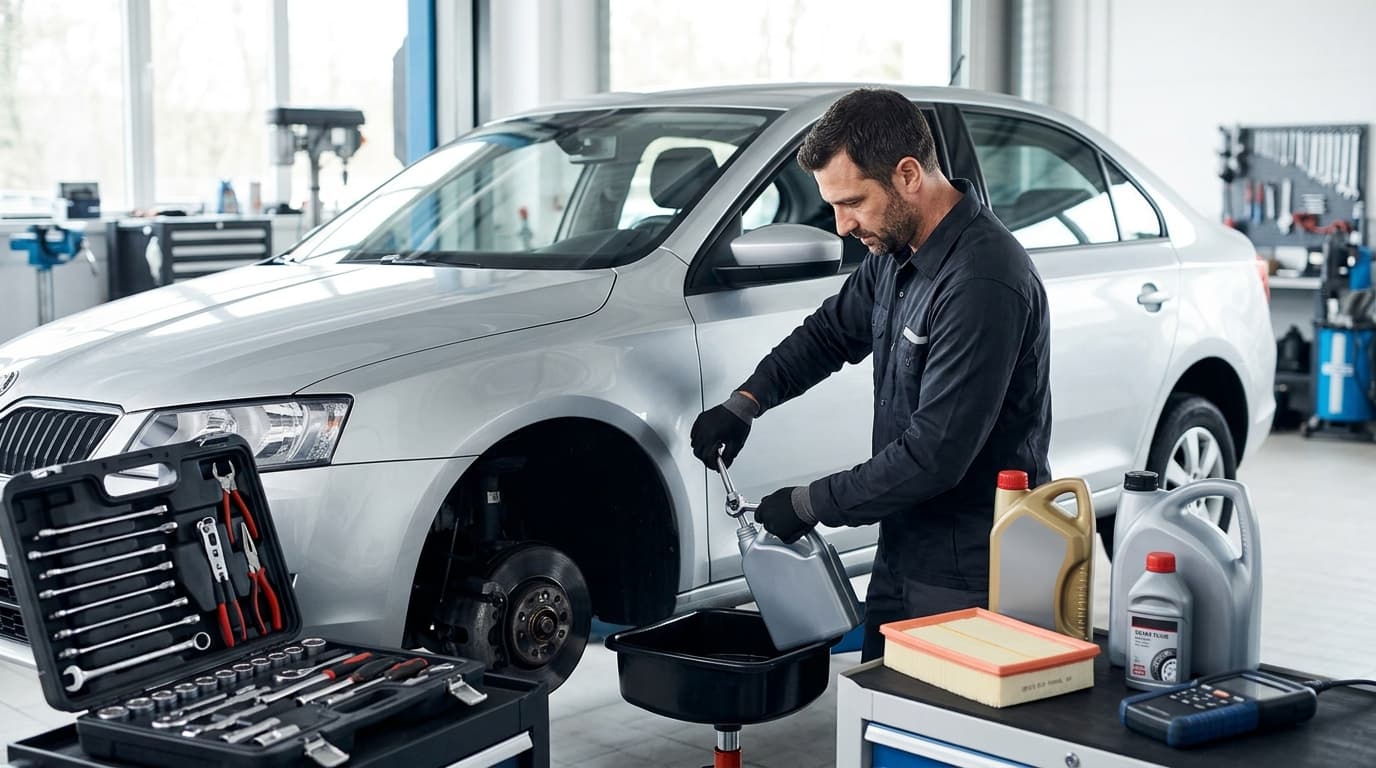
Budget tip: Instead of always going to a dealership, explore local independent mechanics or national chains like Jiffy Lube or Valvoline for competitive pricing. Look for coupons and specials, which are frequently available in local mailers and online in 2026. Consider learning to do it yourself if you're comfortable; oil and a filter can be purchased for under $40-60.
Tire Care: Rotation, Pressure, and Alignment
Why it matters: Properly inflated and rotated tires last longer, improve fuel efficiency, and ensure safe handling. Misaligned wheels cause uneven tire wear and can impact steering.
Budget tip: Check your tire pressure monthly (it’s free!). Rotate your tires every 5,000-8,000 miles; many tire shops offer this service for a low fee or even free if you bought your tires there. Get an alignment check annually, especially if you notice your car pulling to one side.
Fluid Checks and Flushes
Why it matters: Beyond oil, your car relies on various fluids: coolant, brake fluid, power steering fluid, and transmission fluid. These keep vital systems functioning correctly.
Budget tip: Regularly check fluid levels yourself using your owner's manual as a guide. Top off fluids as needed. Flushes for transmission or cooling systems are less frequent but crucial; shop around for service deals.
Filter Replacements: Air and Cabin
Why it matters: A clean engine air filter ensures optimal engine performance and fuel economy. A clean cabin air filter improves air quality inside your car.
Budget tip: These are often easy DIY tasks. An air filter can cost $15-$30, and a cabin filter around $20-$40. Auto parts stores like AutoZone or O'Reilly Auto Parts can help you find the right part and often offer tips on installation.
Battery Maintenance
Why it matters: A weak battery can leave you stranded. Cold weather in states like Minnesota or hot summers in Arizona can be particularly hard on batteries.
Budget tip: Have your battery tested annually, especially before winter. Many auto parts stores offer free battery testing. Keep battery terminals clean to prevent corrosion.
Embrace DIY When Possible: Empower Yourself
You don't need to be a master mechanic to handle some basic maintenance tasks. Learning a few simple procedures can save you labor costs and give you a better understanding of your vehicle.
Check your fluids: Learn where your oil, coolant, brake fluid, and washer fluid reservoirs are.
Replace wiper blades: An easy swap that significantly improves visibility.
Change your air filter: Often just a few clips or screws stand between you and a cleaner engine.
Inspect your lights: Ensure all headlights, taillights, and turn signals are working.
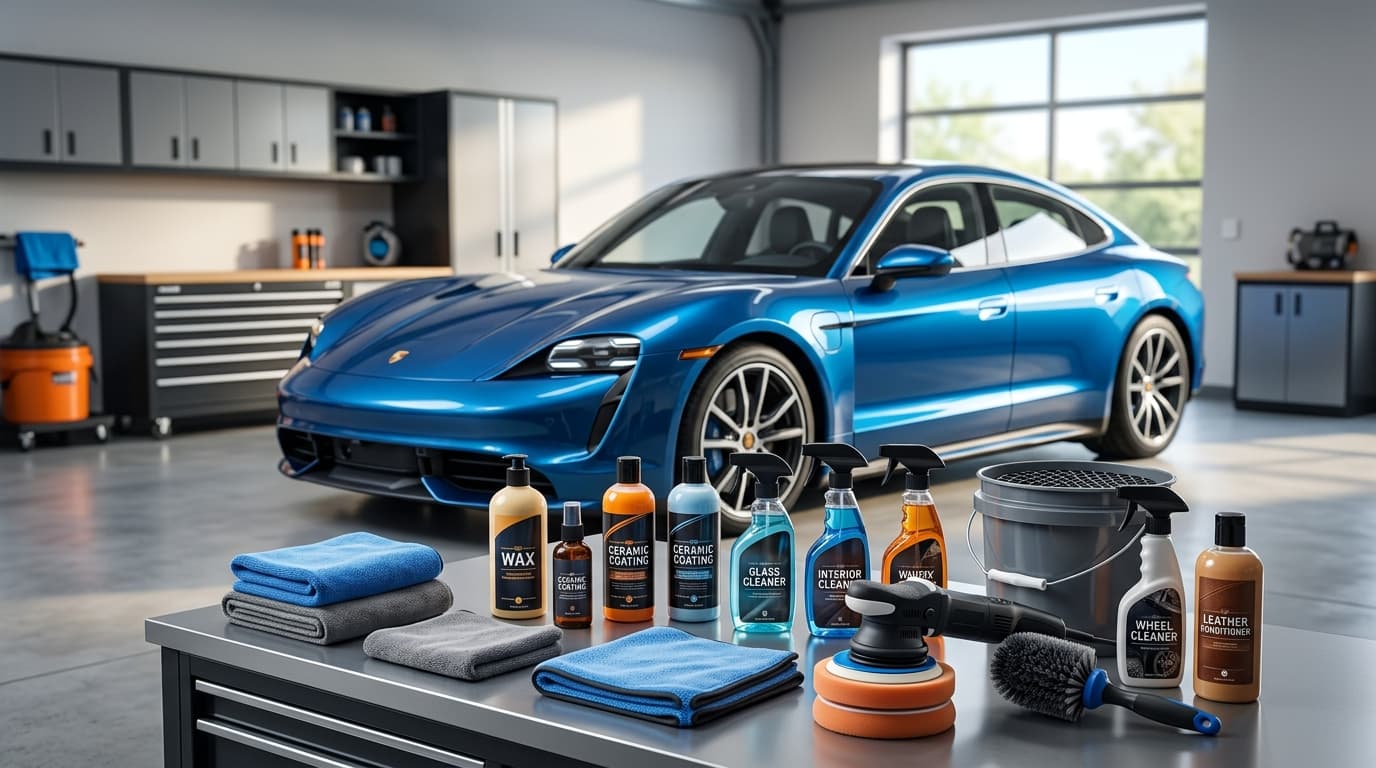
Basic cleaning and detailing: A clean car is a happy car. Regular washing prevents rust and keeps the paint in good condition.
There are countless free tutorials on YouTube for almost any simple car maintenance task. Just search for your car's make and model along with the task you want to perform.
Smart Shopping for Parts and Services
When you do need professional help or new parts, smart shopping can make a significant difference.
Aftermarket vs. OEM Parts
Original Equipment Manufacturer (OEM) parts are identical to those your car came with. Aftermarket parts are made by other companies and can often be significantly cheaper without sacrificing quality. For non-critical components, aftermarket parts are a great budget-friendly option. Always research reputable brands.
Compare Repair Shops
Don't just go to the first mechanic you find. Get multiple quotes for repairs. Independent shops often have lower labor rates than dealerships. Check online reviews on Yelp or Google Maps, and ask friends and family for recommendations. Look for certifications like ASE (Automotive Service Excellence).
Leverage Membership Programs and Deals
Consider memberships like AAA for roadside assistance and potential discounts on repairs. Many auto parts stores offer loyalty programs that provide discounts or rewards. Keep an eye out for seasonal promotions from national service chains, especially around holidays in 2026.
Understand Your Vehicle's Owner's Manual
Your owner's manual is a treasure trove of information. It outlines your car's specific maintenance schedule, recommended fluid types, tire pressure, and warning light explanations. Familiarize yourself with it; it's designed to help you keep your car in top shape.
Build an Emergency Fund for Repairs
Even with the best preventative care, unexpected repairs can happen. Setting aside a dedicated emergency fund specifically for car repairs (e.g., $500-$1,000) can prevent financial stress and keep you from taking on high-interest debt when a major issue arises. As of 2026, the average cost of an unexpected car repair can range from a few hundred to over a thousand dollars, making this fund crucial.
Your Driving Habits Matter
How you drive directly impacts your vehicle's wear and tear. Aggressive driving, sudden stops, and rapid acceleration put unnecessary strain on your engine, brakes, and tires. Smooth, consistent driving not only saves on fuel but also extends the life of many components.
Conclusion
Maintaining your vehicle on a budget in 2026 is entirely achievable with a strategic approach. By prioritizing preventative maintenance, embracing DIY tasks, shopping smart for parts and services, understanding your owner's manual, building an emergency fund, and practicing good driving habits, you can significantly reduce your automotive expenses. These proactive steps will not only save you money but also ensure your vehicle remains a reliable and safe mode of transportation for you and your family across the great roads of the U.S.
Related Articles
Explore more articles you might like