Smart Savings: How to Afford Top-Tier Outdoor Gear Without Breaking the Bank in 2026
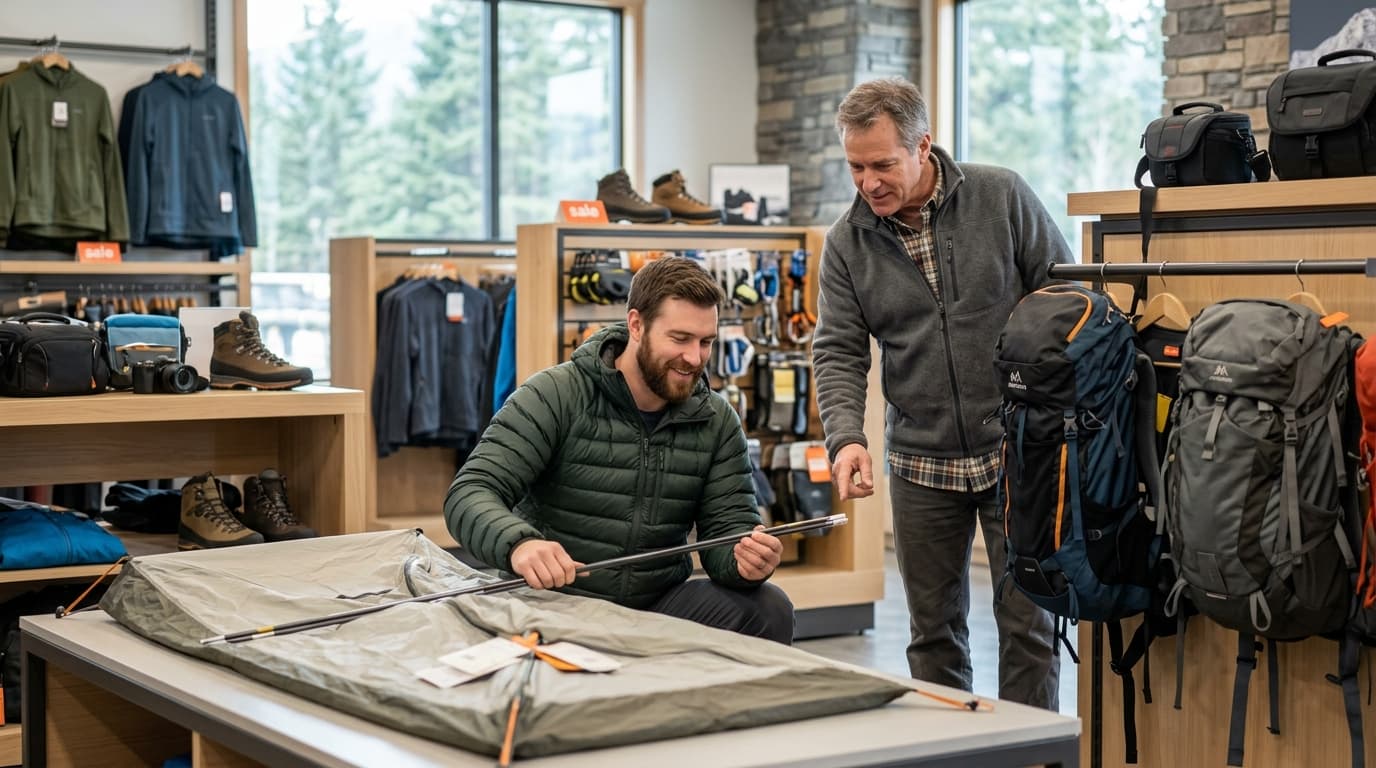
Gear Up Smart: Your 2026 Guide to Affordable High-Quality Outdoor Equipment
The call of the wild is undeniable, from the majestic peaks of the Rockies to the serene trails of the Appalachian Mountains. For many outdoor enthusiasts across the United States, investing in high-quality equipment is essential for safety, comfort, and an enjoyable experience. However, the price tags on top-tier tents, durable backpacks, advanced hiking boots, and reliable camping stoves can often feel daunting. You want gear that performs, lasts, and keeps you safe, but how do you acquire it without emptying your savings account? The good news is that equipping yourself for adventure doesn't have to break the bank. With a little strategic planning and savvy shopping, you can build a robust collection of outdoor gear that stands the test of time and terrain, all while keeping your budget intact in 2026.
Why Quality Gear Matters (and Why It's Worth the Hunt)
Before we dive into saving strategies, let's quickly reaffirm why prioritizing quality is crucial. Cheap, unreliable gear can turn a dream trip into a nightmare. A tent that leaks in a sudden downpour, boots that cause blisters miles from civilization, or a stove that fails to light can compromise your safety and enjoyment. High-quality equipment offers:
Durability: It's built to withstand harsh conditions and repeated use, saving you money on replacements in the long run.
Performance: Better materials and design lead to improved comfort, efficiency, and safety.
Reliability: You can trust your gear when you need it most, whether it's a critical piece of safety equipment or just something to keep you warm.
Investing in quality means investing in your adventure and your well-being. The goal isn't to buy cheap, but to buy smart.
Smart Strategies to Save Money on Outdoor Equipment in 2026
1. Embrace the Used and Refurbished Market
One of the most effective ways to save significant money is by buying pre-owned or refurbished gear. Many outdoor enthusiasts upgrade frequently, leaving perfectly good equipment available.
REI Used Gear: REI Co-op offers a fantastic 'Used Gear' section online, featuring everything from backpacks to tents at a fraction of the original cost. Their return policy even extends to used items, giving you peace of mind.
Local Consignment Shops & Gear Swaps: Check out outdoor-specific consignment stores in your area. Many cities, especially those near popular outdoor destinations like Denver, Portland, or Seattle, have vibrant used gear markets. Keep an eye out for local gear swap events, which are excellent for finding deals and trading your own unused items.
Online Marketplaces: Websites like GearTrade, Facebook Marketplace, and even eBay can be treasure troves. Always ask for detailed photos, condition descriptions, and seller ratings. Be prepared to clean or make minor repairs.
Manufacturer Refurbished Programs: Some brands, like Osprey or Patagonia, occasionally offer refurbished items directly from their websites, often with warranties.
2. Time Your Purchases with Sales and Clearance Events
Patience can pay off handsomely. Retailers frequently run sales throughout the year.
Seasonal Sales: Look for winter gear sales in spring and summer gear sales in fall. End-of-season clearances are prime times to snag deep discounts.
Holiday Weekends: Memorial Day, Labor Day, Black Friday (often extending into Cyber Monday), and Presidents' Day are major sale events across the US, offering significant markdowns on outdoor equipment. Plan your larger purchases around these times in 2026.
Outdoor Retailer Sales: Major outdoor retailers like Backcountry, Moosejaw, and CampSaver consistently have sales sections. Sign up for their newsletters to get alerts.
3. Leverage Membership Programs and Loyalty Discounts
Being a part of the outdoor community can literally pay dividends.
REI Co-op Membership: For a one-time fee of $30, an REI Co-op membership grants you access to an annual dividend (typically 10% back on full-price purchases), member-exclusive sales, and discounts on gear rentals and classes. It's an investment that quickly pays for itself.
Local Outdoor Clubs: Many local hiking, climbing, or camping clubs offer discounts at partner retailers. Check with clubs in your region, like those around the Great Smoky Mountains or the Adirondacks.
4. Rent Before You Buy (or Rent Instead of Buying)
For specialized gear you’ll only use once or twice a year, renting is often far more economical than buying.
REI Gear Rentals: Again, REI Co-op offers a wide range of gear for rent, from snowshoes and skis to backpacking packs and sleeping bags.
University Outdoor Programs: Many colleges and universities with outdoor programs offer gear rentals to students and sometimes to the public at very affordable rates.
Local Outfitters: Dedicated outdoor rental shops are common in popular recreation areas, perfect for trying out a new activity without the upfront cost.
5. Master Basic Gear Maintenance and Repair
Extending the lifespan of your existing gear is a form of saving money. A little care goes a long way.
Clean and Store Properly: Keep tents, sleeping bags, and packs clean and dry to prevent mold and degradation. Store them loosely, not compressed.
Minor Repairs: Learn to patch a tent, repair a zipper, or re-waterproof a jacket. Kits for these tasks are inexpensive, and tutorials are abundant online. Brands like Nikwax and Gear Aid offer excellent products for DIY maintenance.
Professional Services: For more complex repairs, seek out professional gear repair shops. It’s often cheaper to repair a high-quality item than to replace it entirely.
6. Buy Off-Season
Just like timing sales, purchasing off-season can lead to significant savings. Think about buying skis or winter coats in the spring or summer. Conversely, you might find great deals on tents and summer sleeping bags during the colder months when demand is lower.
7. Explore Brand Outlet Stores and Factory Sales
If you live near an outdoor brand's outlet store (e.g., Patagonia outlets, Columbia Sportswear outlets, North Face outlets), you can often find last season's models or slightly imperfect items at reduced prices. Factory sales, though rarer, offer even deeper discounts.
8. Strategic Price Comparison
Before making a purchase, especially for larger items, always compare prices across different retailers. Use online tools and browser extensions that track prices and alert you to drops. Don't forget to factor in shipping costs and return policies.
9. Invest in Multi-Purpose Gear
Opt for items that can serve multiple functions. A versatile waterproof jacket suitable for both hiking and urban wear, or a backpack that works for day hikes and travel, can reduce the need for multiple specialized items.
10. Prioritize Needs Over Wants
Before clicking 'add to cart,' take a moment to assess if the item is truly essential for your planned adventures or if it's a 'nice-to-have.' Start with the basics – shelter, sleep system, navigation, appropriate clothing – and build your collection gradually. You might find you don't need every gadget advertised.
Conclusion
Equipping yourself for unforgettable outdoor adventures across the diverse landscapes of the United States in 2026 doesn't require a bottomless budget. By adopting smart shopping habits – from exploring the robust used gear market and timing your purchases with major sales to leveraging membership benefits and mastering gear maintenance – you can build a high-quality collection that enhances your experiences without financial strain. Remember, the goal is to acquire reliable, durable gear that serves your needs, allowing you to focus on the beauty of nature rather than worrying about your equipment or your wallet. Happy trails, smart shopper!
Related Articles
Explore more articles you might like