Smart Buyer's Guide: Identifying Quality Jewelry Without Overspending in 2026
Smart Buyer's Guide: Identifying Quality Jewelry Without Overspending in 2026
In the vibrant world of jewelry, the allure of a dazzling piece can often overshadow the practicalities of its value and quality. For many in the United States, investing in jewelry is a significant decision, whether it's for a special occasion, a personal treat, or a cherished heirloom. The good news is that you don't need a limitless budget to acquire beautiful, high-quality pieces that will last a lifetime. With a discerning eye and a bit of knowledge, you can confidently navigate the market and make smart purchases without overspending. This guide for 2026 will equip you with the essential skills to identify true quality, ensuring your money is well-spent on pieces you'll adore for years to come.
Understanding Precious Metals: The Foundation of Fine Jewelry
The metal forms the backbone of any jewelry piece. Knowing the basics of gold, silver, and platinum is crucial for evaluating quality.
Gold: Karats and Purity
Karats (K): Gold purity is measured in karats. Pure gold is 24K, but it's too soft for everyday wear. Common purities for jewelry include 18K (75% pure gold), 14K (58.3% pure gold), and 10K (41.7% pure gold). While 24K is the most valuable per gram, 14K and 18K offer a beautiful balance of durability and richness for most US consumers. Look for a hallmark stamp (e.g., '14K', '585', '18K', '750') to verify its purity.
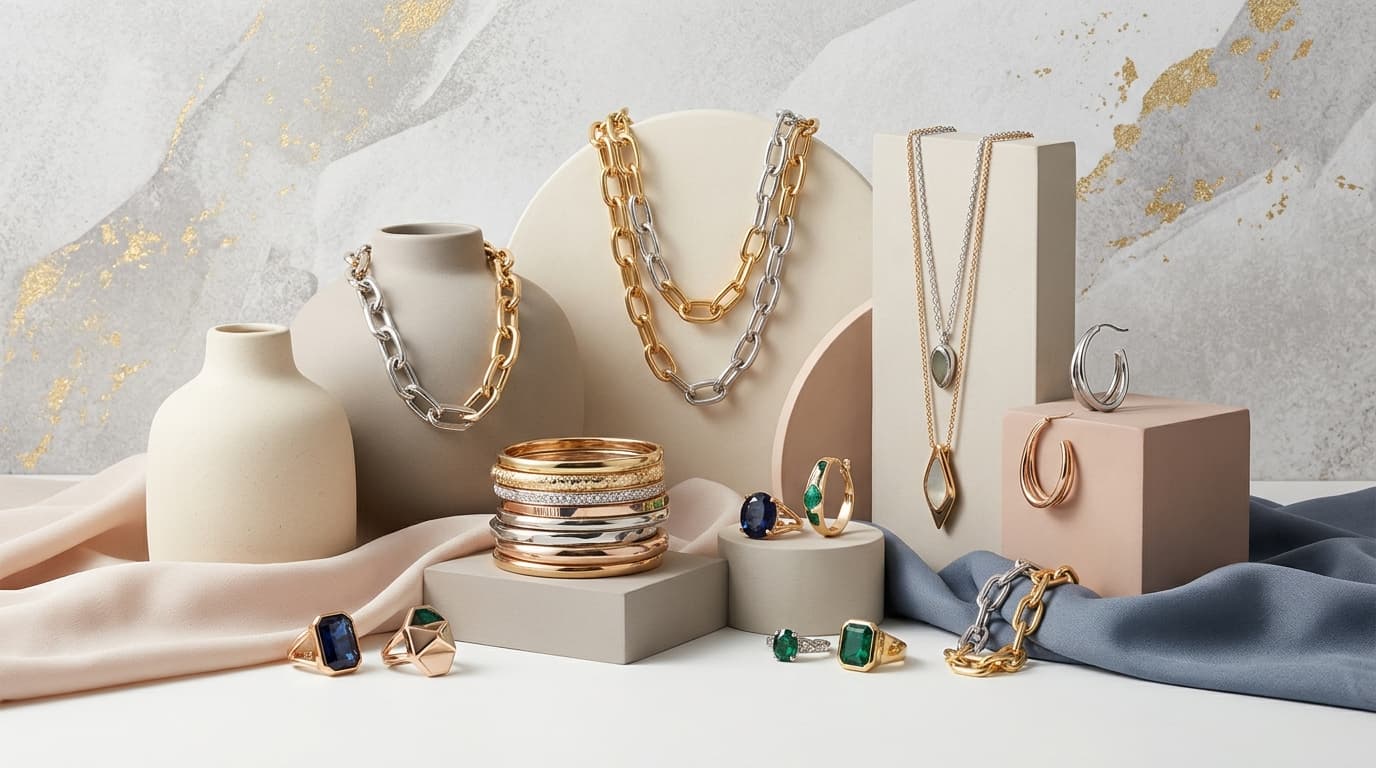
Colors: Gold comes in various colors due to different alloy mixtures. Yellow gold is mixed with silver and copper, white gold with nickel or palladium, and rose gold with a higher percentage of copper. White gold often has a rhodium plating for extra shine and durability, which may need re-plating every few years.
Sterling Silver: Quality and Care
Sterling silver is 92.5% pure silver, alloyed with other metals (usually copper) for strength. It's affordable and beautiful but prone to tarnishing. Look for the '925' stamp. While sterling silver jewelry can be exquisite, understand that it requires more maintenance than gold or platinum.
Platinum: Durability and Rarity
Platinum is a naturally white, dense, and highly durable metal. It's hypoallergenic and resistant to wear, making it an excellent choice for engagement rings and everyday wear. It's also significantly rarer and more expensive than gold. Platinum jewelry is typically stamped 'PLAT' or '950' (meaning 95% pure).
Gemstone Quality: Beyond Just Sparkle
For pieces featuring gemstones, understanding their quality factors is paramount. While diamonds often steal the spotlight, these principles apply to many precious and semi-precious stones.
The 4 Cs of Diamonds (and Other Gemstones)
Cut: This is arguably the most critical 'C' for a diamond's brilliance. A well-cut diamond reflects light optimally, creating maximum sparkle. For other gemstones, the cut influences their color display and overall appeal.
Color: For diamonds, color ranges from D (colorless) to Z (light yellow or brown). Near-colorless diamonds (G-J) offer excellent value without a noticeable tint to the untrained eye. For colored gemstones, vibrant, saturated hues are generally more desirable.
Clarity: This refers to the presence of internal inclusions (blemishes) or external flaws. While flawless diamonds are rare and expensive, many inclusions are microscopic and don't affect beauty or durability. Eye-clean diamonds (where inclusions aren't visible to the naked eye) offer great value.
Carat: This is the weight of the gemstone, not its size. Larger stones are rarer and thus more expensive per carat. Consider buying slightly under standard carat weights (e.g., 0.90 ct instead of 1.00 ct) for significant savings without a noticeable size difference.
Gemstone Treatments and Synthetics
Many natural gemstones undergo treatments (like heat or irradiation) to enhance their color or clarity. These treatments are often standard and should be disclosed by the seller. Synthetics (man-made stones with the same chemical composition as natural ones) and simulants (stones that merely look like others, e.g., cubic zirconia for diamond) are also common. Always ask for full disclosure regarding treatments, origin, and whether a stone is natural, synthetic, or a simulant.
Workmanship and Construction: The Details Matter
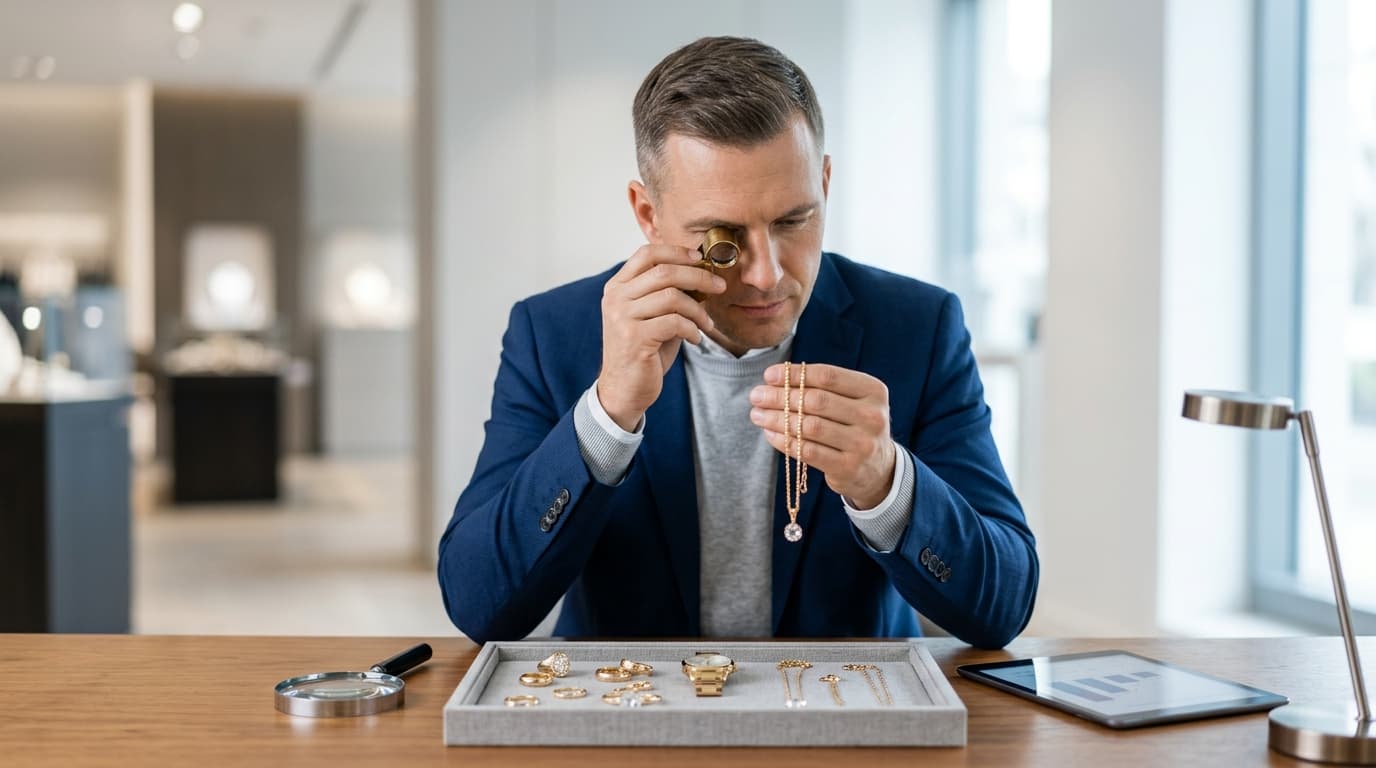
Even with high-quality materials, poor craftsmanship can compromise a piece's durability and beauty. Inspect these areas:
Settings: Prongs should be even, sturdy, and securely hold the stone without obscuring its beauty. Bezel settings should hug the stone tightly. Look for no gaps or rough edges.
Symmetry and Finish: The piece should be symmetrical, with smooth, polished surfaces and no visible tool marks, scratches, or unevenness. Clasps on necklaces and bracelets should be secure and operate smoothly.
Weight and Feel: Quality jewelry often has a substantial feel. Thin, flimsy pieces, especially in gold, might be prone to bending or breaking.
Evaluating Reputable Sellers: Your Trusted Partner
Where you buy your jewelry is almost as important as what you buy. In 2026, the market offers a wide array of options, from local boutiques to online giants.
Certifications: For significant diamond purchases, insist on a grading report from an independent, reputable laboratory like GIA (Gemological Institute of America) or AGS (American Gem Society). These certifications provide an unbiased assessment of the diamond's 4 Cs.
Return Policies and Warranties: A trustworthy jeweler will offer a clear return policy (ideally 30 days or more) and a warranty against manufacturing defects. This provides peace of mind, especially when making a substantial purchase.
Customer Reviews and Reputation: Check online reviews on platforms like Yelp or Google. Ask friends for recommendations for local jewelers in your area. A long-standing business with a good reputation is often a safe bet.
Expertise: A good jeweler should be knowledgeable and willing to educate you without pressure. They should be able to answer all your questions about materials, craftsmanship, and care.
Smart Shopping Strategies for the Savvy Buyer
Saving money doesn't mean sacrificing quality. Here are some tips for smart shopping:
Shop During Sales: Major holidays (like Valentine's Day, Mother's Day, or the December holiday season) often bring sales, but sometimes buying off-season can yield better deals. Keep an eye out for local jewelers' anniversary sales or trunk shows, which can offer unique pieces at a discount.
Consider Pre-Owned or Estate Jewelry: Vintage and estate jewelry can offer incredible value, unique designs, and often higher quality craftsmanship from past eras. Many reputable dealers in the US specialize in these pieces.
Compare Prices: Don't settle for the first piece you see. Compare prices for similar items across different jewelers, both online and in brick-and-mortar stores. Remember that prices can vary significantly, even for seemingly identical items.
Negotiate (Respectfully): Especially in independent jewelry stores, there might be a little wiggle room on the price, particularly for cash payments or if you're buying multiple items.
Budget Wisely: Set a realistic budget in USD before you start shopping. This helps narrow down your options and prevents impulse purchases that you might regret later. Don't be swayed by high-pressure sales tactics.
Conclusion: Shop Confidently in 2026
Armed with this knowledge, you are now better prepared to identify quality jewelry without overspending in 2026. Remember, true value lies in the combination of excellent materials, superior craftsmanship, and a reputable seller. By taking the time to educate yourself, inspect pieces carefully, and shop strategically, you can build a stunning collection of jewelry that brings you joy and stands the test of time, all within your budget. Happy hunting, and may your jewelry choices sparkle with both beauty and intelligence!
Related Articles
Explore more articles you might like